Once again in Supercomputing.
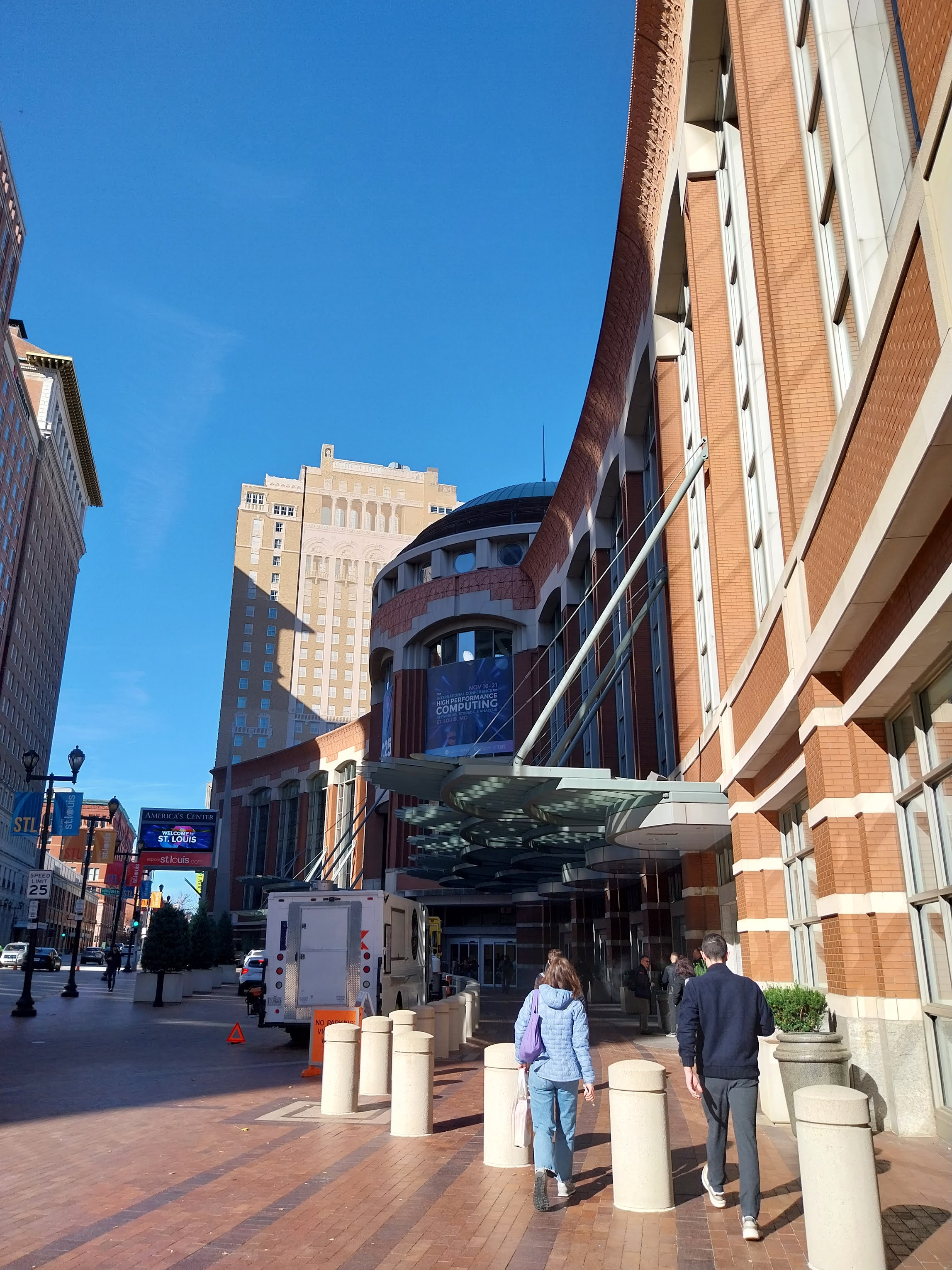
This is the first time I’ve been to St. Louis, MO. The city was once the fourth largest in the U.S. and thrived during the westward expansion. Now it is a slow-paced, tranquil, and comfortable city. The conference this year (2025) takes place at America’s Center, which has a more historical look compared to the convention center in Atlanta last year. Like last year, the convention center is still very large—much bigger than any I’ve seen in Taiwan.
IndySCC and SCC
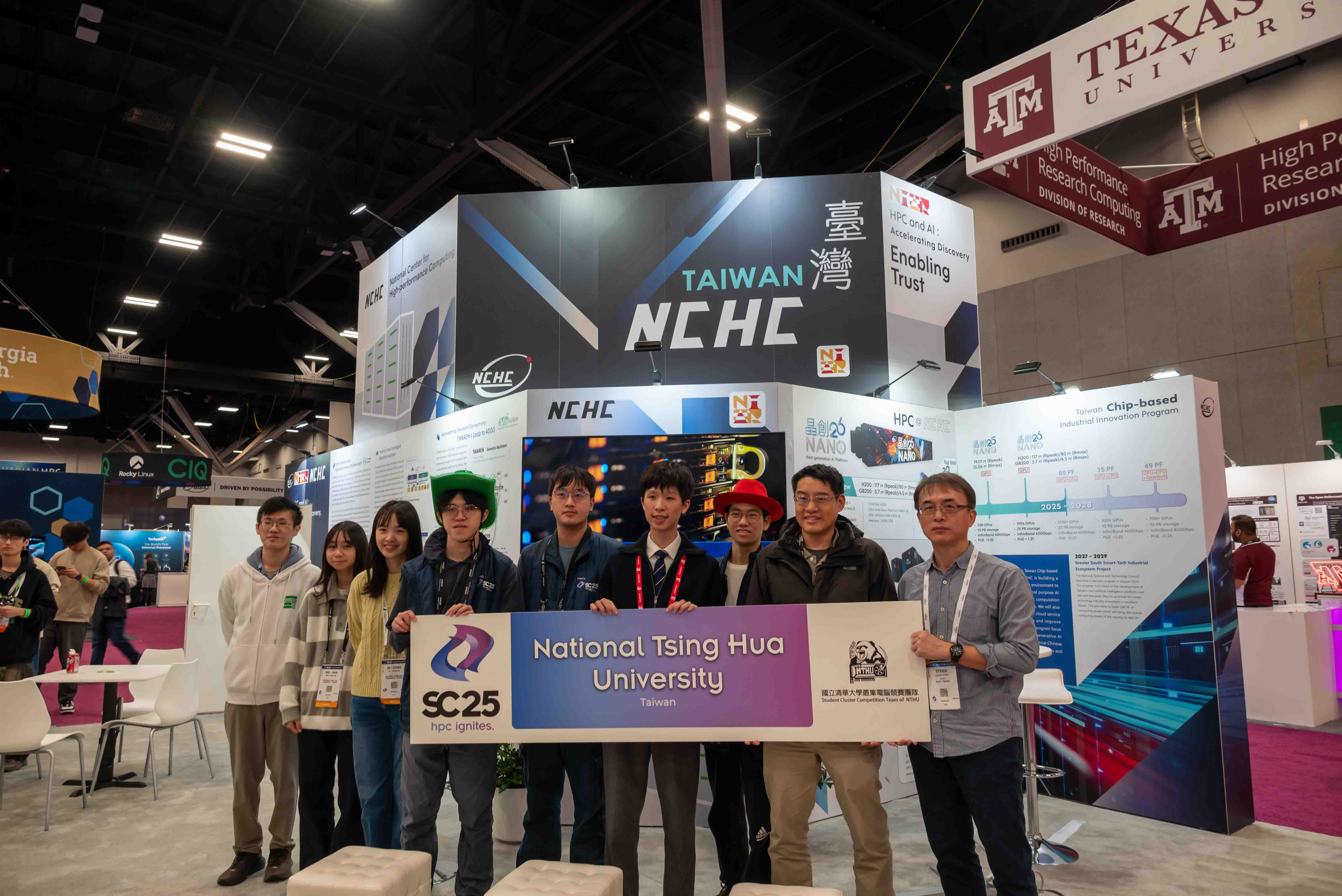
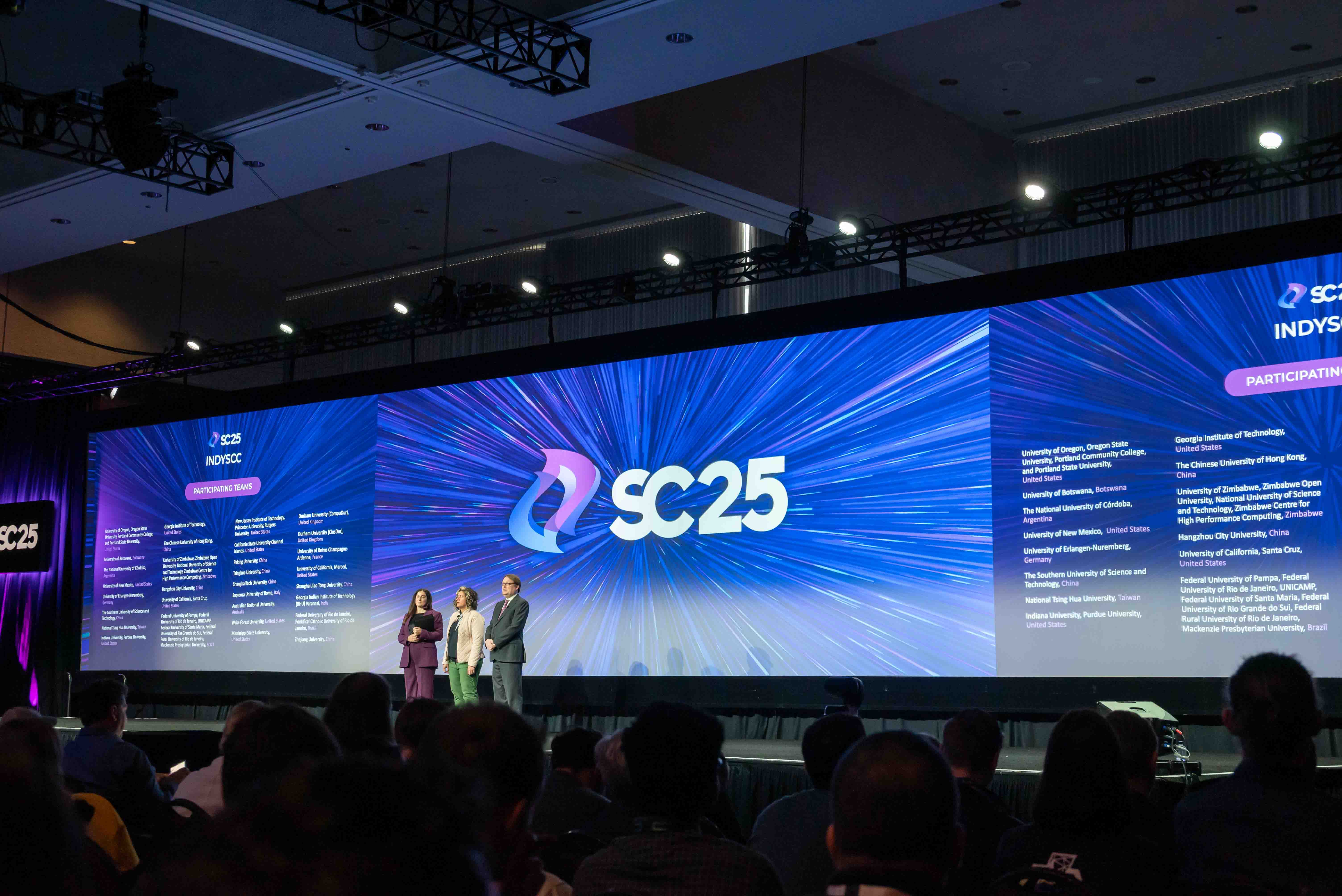
One of my jobs here is to serve as the coach of Team NTHU for the IndySCC this year. Our team has been a long-time participant in the SCC (Student Cluster Competition) for many years across several countries. The team members this year have already participated in ASC25 held in Qinghai and in several online contests. However, this is my first experience with IndySCC, which is essentially an online version of the traditional SCC at the Supercomputing conference, run without physical machines.
The main difference with IndySCC is that we don’t have to bring physical machines as teams in the SCC do. Instead, we use the cloud platform provided by the committee. The platform is JetStream2, a large-scale cloud service whose clusters are located in multiple cities across the U.S. The clusters are connected via high-speed internet connections and are managed by various internet providers and educational institutions across the nation. The benefit is that we don’t have to spend a lot of time building a physical cluster and can connect to virtual machine instances via the Internet, which makes it possible to hold the competition online. However, it also means we have less flexibility to tweak hardware and must optimize performance based on the given instances and infrastructure.
Race with the time?
As with the SCC teams, the competition is held for 48 hours. However, IndySCC teams are not allowed to stay overnight at the convention center since we don’t need to stay with physical machines. Originally, I thought this would make the competition friendlier and create more opportunities for team members to look around the conference, attend workshops, tutorials, invited talks, and visit vendor exhibitions. Surprisingly, this year almost all teams spent much of their time at their booths working on tasks. As an SCC attendee last year, I barely saw IndySCC teams stay at their booths for the entire opening hours. This year there were about 10 IndySCC teams, and most of them stayed at their booths for the entire competition. I’m not saying last year’s teams were lazier than this year’s, but they could work more comfortably and remotely from other places than from their booths.
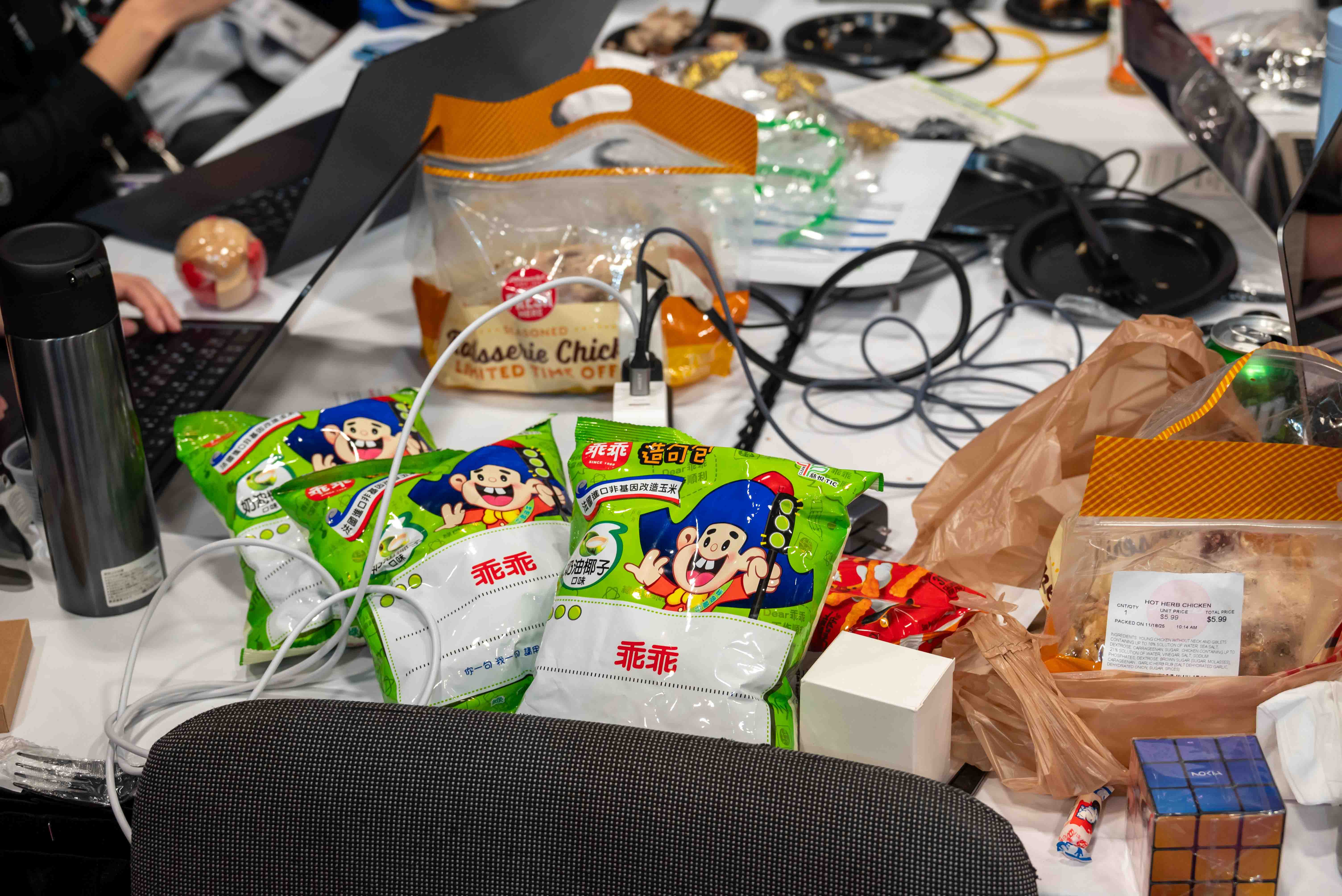
As always, our booth inevitably becomes pretty messy :)
New Experiences and Findings
Since I didn’t have to spend much time on the competition and was focusing on supporting our team members, I was able to attend workshops and explore exhibitions. Several workshops and paper presentations provided interesting insights into the latest trends and research across various areas. For example, a cybersecurity workshop presented a new GPU vulnerability and demonstrated a possible attack that could break GPU ASLR. Witnessing cutting-edge research and the novel ideas and contributions from these researchers was truly valuable.
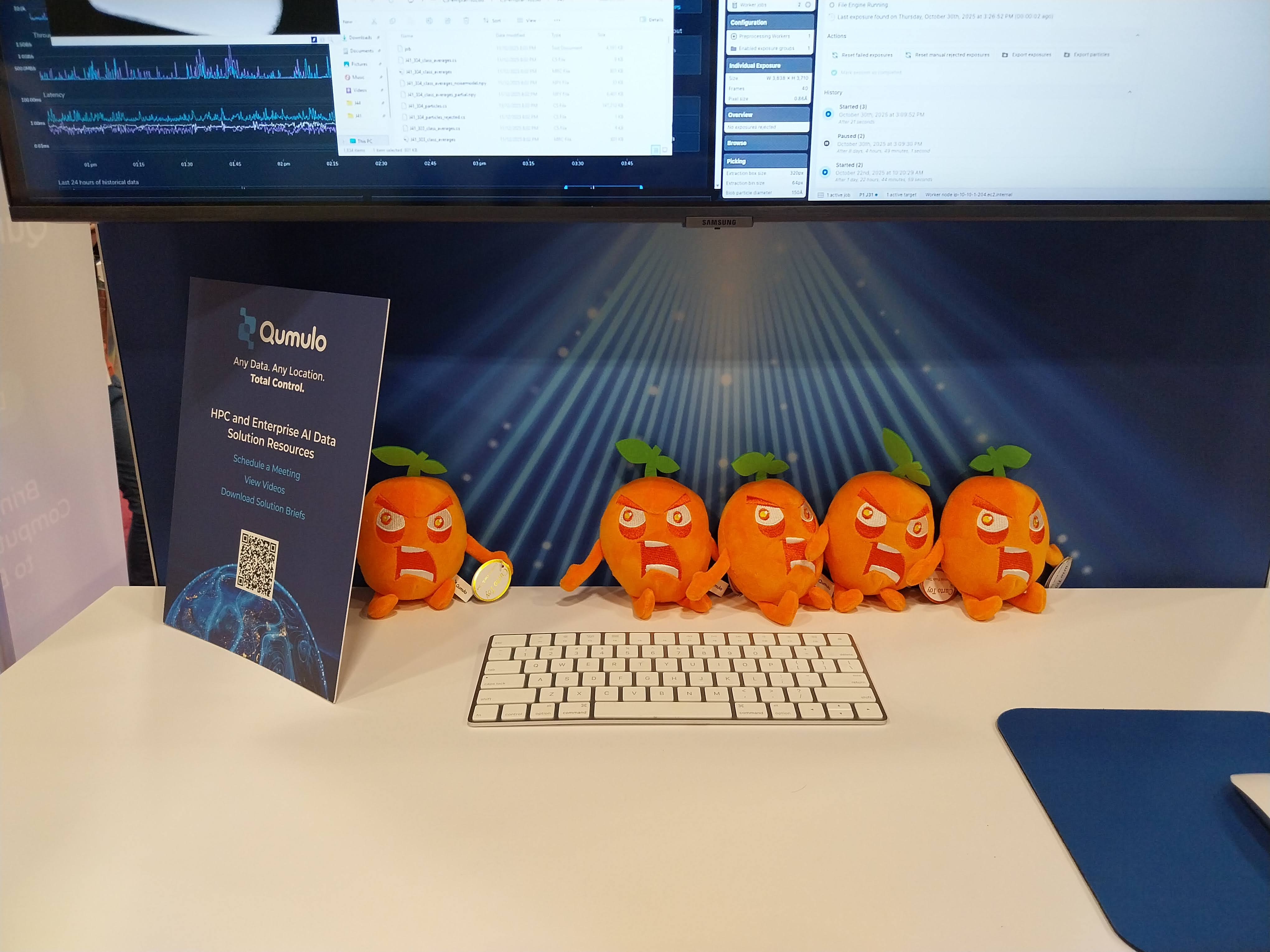
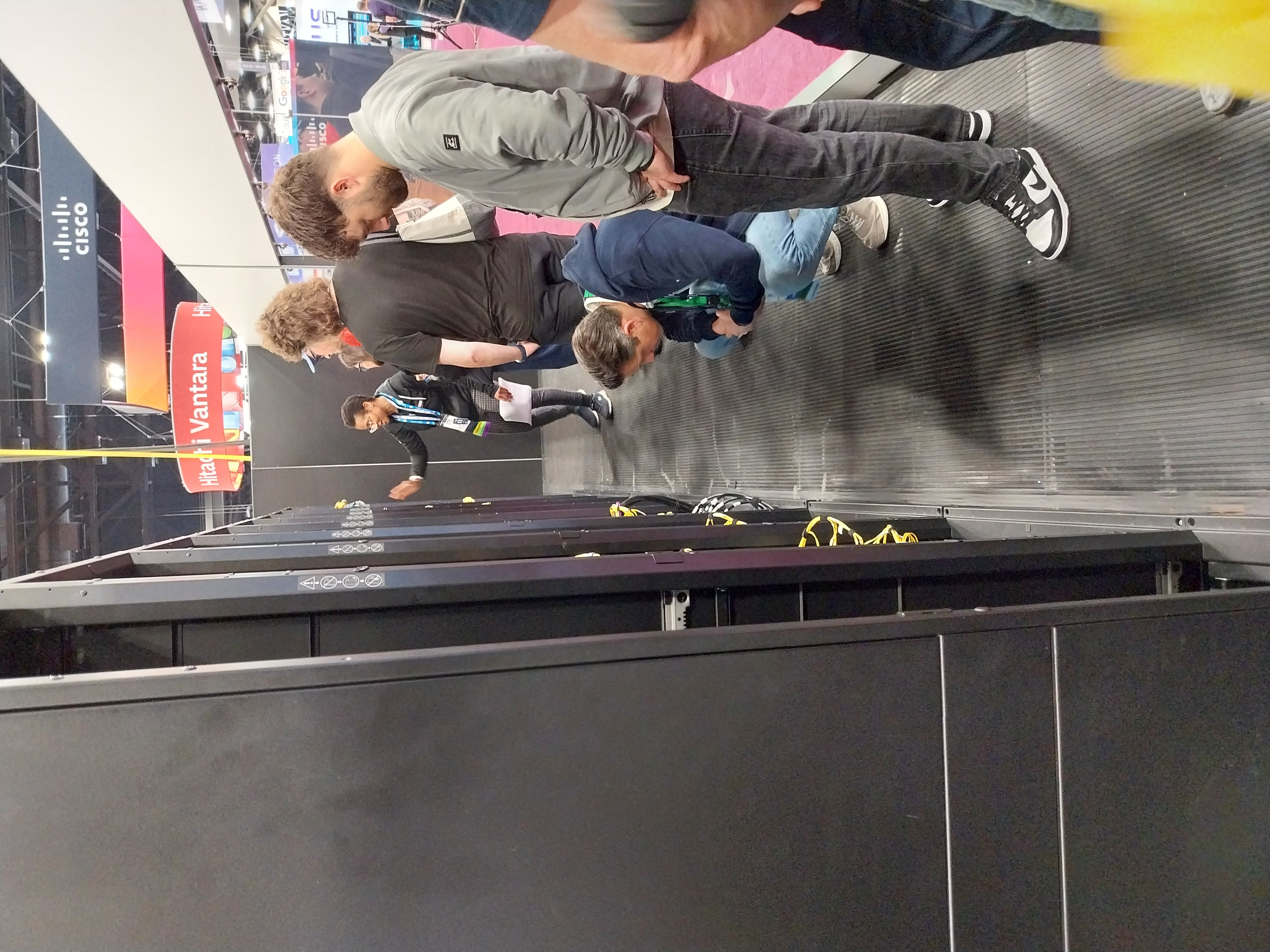
The SC exhibition is one of the largest sessions during the conference. As a student, I enjoyed the lightning talks and vendor promotions. Many vendors showcased their latest solutions, including AI features, storage, cooling solutions, and hardware clusters. Seeing clusters worth over a million dollars displayed in the exhibition hall was quite astonishing.
Also, this is the first time in my life that I’ve presented a paper at a workshop. I can’t believe it’s happening at SC, even now. Although it’s a symposium-style workshop without official proceedings, it gave me a lot of new experience and I learned many new things. Unfortunately, I didn’t perform well this time. I missed some questions from the attendees and experienced some lags during the presentation. They pointed out areas I need to work on and improve.
Overall, this was another exciting SC conference for me. Sharing ideas and gaining insights from others’ work is far more interesting than I ever thought. These talented researchers, scientists, engineers, and attendees always bring me new experiences and memories. I hope that one day I can be another great attendee and bring knowledge and insights to others.